When water intrudes on a property in our community, the priorities are safety and speed. As a local expert I frequently advise homeowners about Water Damage Restoration in Berverly Hills, CA, because early recognition and immediate action dramatically reduce long-term damage. In Beverly Hills properties, where architectural details and high-end finishes often complicate repairs, a thoughtful approach that balances structural stabilization and aesthetic preservation is essential.
Water Damage Restoration in Berverly Hills, CA: Common Causes
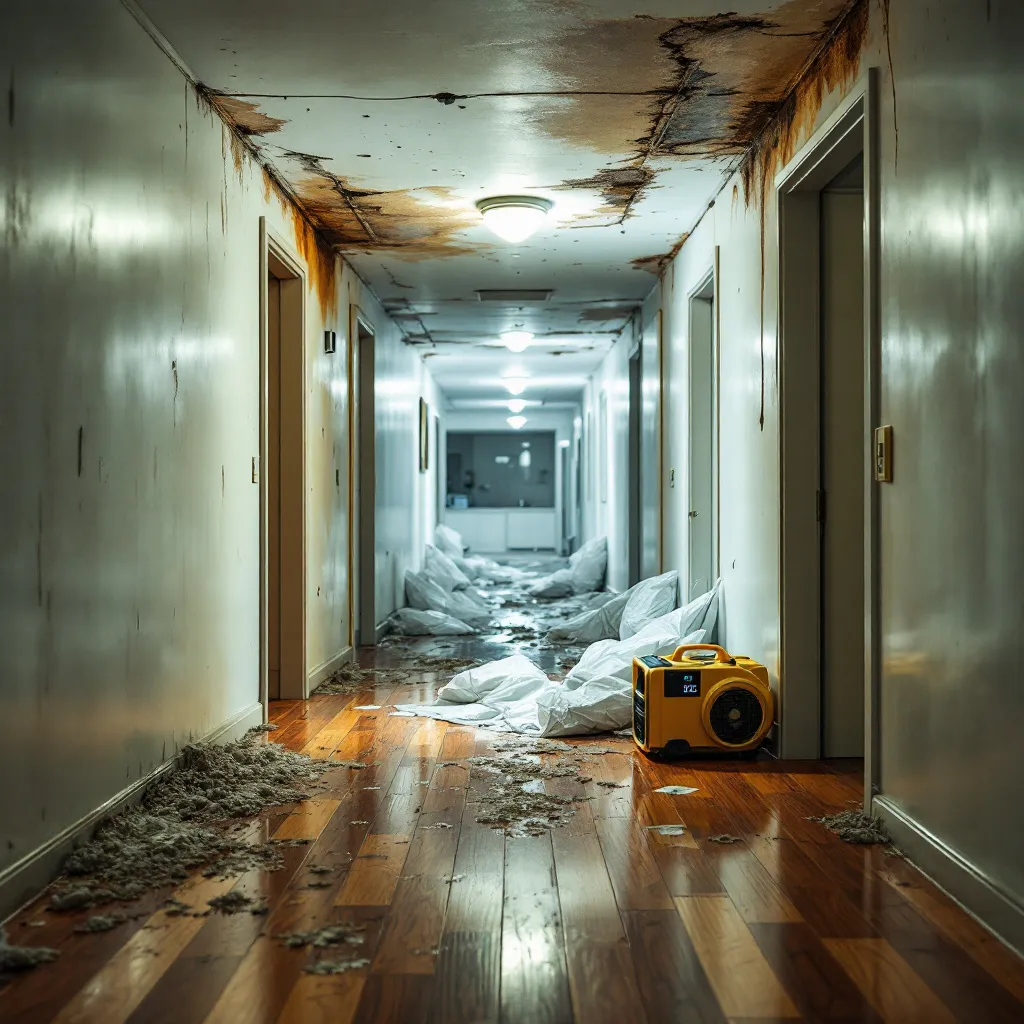
There are predictable patterns to the problems we see. Aging plumbing, slab leaks, slow roof drips, overflowing sinks and tubs, and clogged exterior drains are frequent culprits. In multi-story homes, a single failed appliance or a neglected supply line can create cascading damage through ceilings, walls, and finished floors. Seasonal storms and poor grading around foundations also lead to basement and crawlspace water intrusion, which may not be apparent until mold or structural shifting occurs.
How Water Affects Building Materials and Finishes
Water behaves like an invasive guest: it finds weak points and works its way into cracks, seams, and joints. Hardwood floors cup and warp, drywall delaminates and softens, and insulation becomes a breeding ground for mold once it remains wet for more than 48 hours. Plaster and ornate trim can suffer staining and loss of adhesion, and antique finishes often require specialized restoration rather than replacement. Understanding how each material reacts to moisture guides drying strategies and helps determine whether restoration or replacement is the best option.
Hidden Damage: Mold, Corrosion, and Structural Concerns
One of the trickiest issues is damage that develops out of sight. Mold spores grow quickly in moist, poorly ventilated areas and can damage indoor air quality and health. Metal fasteners and fixtures corrode when exposed to water for prolonged periods, potentially weakening structural connections. Floor joists, subfloors, and load-bearing walls sustain unseen deterioration that only reveals itself through professional moisture mapping, infrared imaging, and targeted probing. This is why a meticulous inspection is part of a thorough restoration plan.
Dealing with Flooring, Ceilings, and Specialty Surfaces
Luxury finishes common in Beverly Hills homes—such as exotic hardwoods, stone inlays, and designer fabrics—require careful handling. Hardwood can often be salvaged if we act quickly: controlled drying and moisture monitoring prevent cupping and splitting. Porous stone and grout may trap salts and stains that need chemical cleaning and sealing. Ceiling water stains and sagging require immediate support and drying to avoid collapse; sometimes the visible stain is the least of the problem, masking saturated insulation or mold above.
Midway through a project, it’s important to reconnect with trusted resources. For reliable, code-compliant interventions and to expedite safe, effective repairs I often work with teams that prioritize documentation and communication, and I recommend contacting professional services like Water Damage Restoration in Berverly Hills, CA to assess complex scenarios and coordinate with insurance carriers.
Containment, Drying, and Monitoring Strategies
A sound restoration workflow begins with containment of the affected zone to prevent cross-contamination, followed by removal of unsalvageable materials and installation of drying equipment. Air movers, desiccant dehumidifiers, and targeted negative air setups allow us to control humidity and direct evaporation. Continuous moisture monitoring verifies progress; marking acceptable moisture content for different materials prevents premature reinstallation of finishes and reduces the risk of recurrent problems.
Working With Insurance and Documentation
Clear, timestamped documentation of damage and remediation steps is critical for insurance claims. Photographs, moisture readings, and written scopes of work show the cause, extent, and necessity of repairs. Restorers with experience in the claims process can coordinate with adjusters to ensure that the scope matches the observed damage and that mitigation steps are approved quickly, which reduces the chance of secondary damage during delays.
Frequently Asked Questions
Q: What should I do first when I find water in my home?
A: Stop the source if it’s safe—shut off the main water supply or the appliance valve—and move people and valuables out of the affected area. Photograph the damage, then contact a professional for assessment. Quick mitigation reduces long-term harm.
Q: How long does professional drying take?
A: Drying time varies by material and saturation level, but typical projects unfold over several days to two weeks. Wood and porous materials take longer; continuous monitoring helps determine the right moment for repairs.
Q: Will I know if mold is developing?
A: Visible mold can appear within 48–72 hours in favorable conditions, but hidden mold may require professional inspection using moisture meters and thermal imaging. If you detect musty odors or persistent dampness, schedule an inspection promptly.
Q: Can I handle restoration myself?
A: For small, contained spills, homeowners can dry surfaces and remove wet contents. However, for structural water intrusion, sewage backups, or when valuable finishes are involved, professional restoration minimizes risk and ensures building systems are safely and fully restored.
If you face an active loss or want a reliable assessment and remediation plan, don’t wait—the faster the response, the better the outcome. Reach out to experts who know local building practices and common regional issues, such as Water Damage Restoration in Berverly Hills, CA, for immediate, professional support and clear guidance on next steps.
Tech Solution Restoration
8909 W Olympic Blvd #208, Beverly Hills, CA 90211, United States
Phone: +1 (424) 404-1450